
How to Know If You’re Experiencing Burnout and Not Just Tired
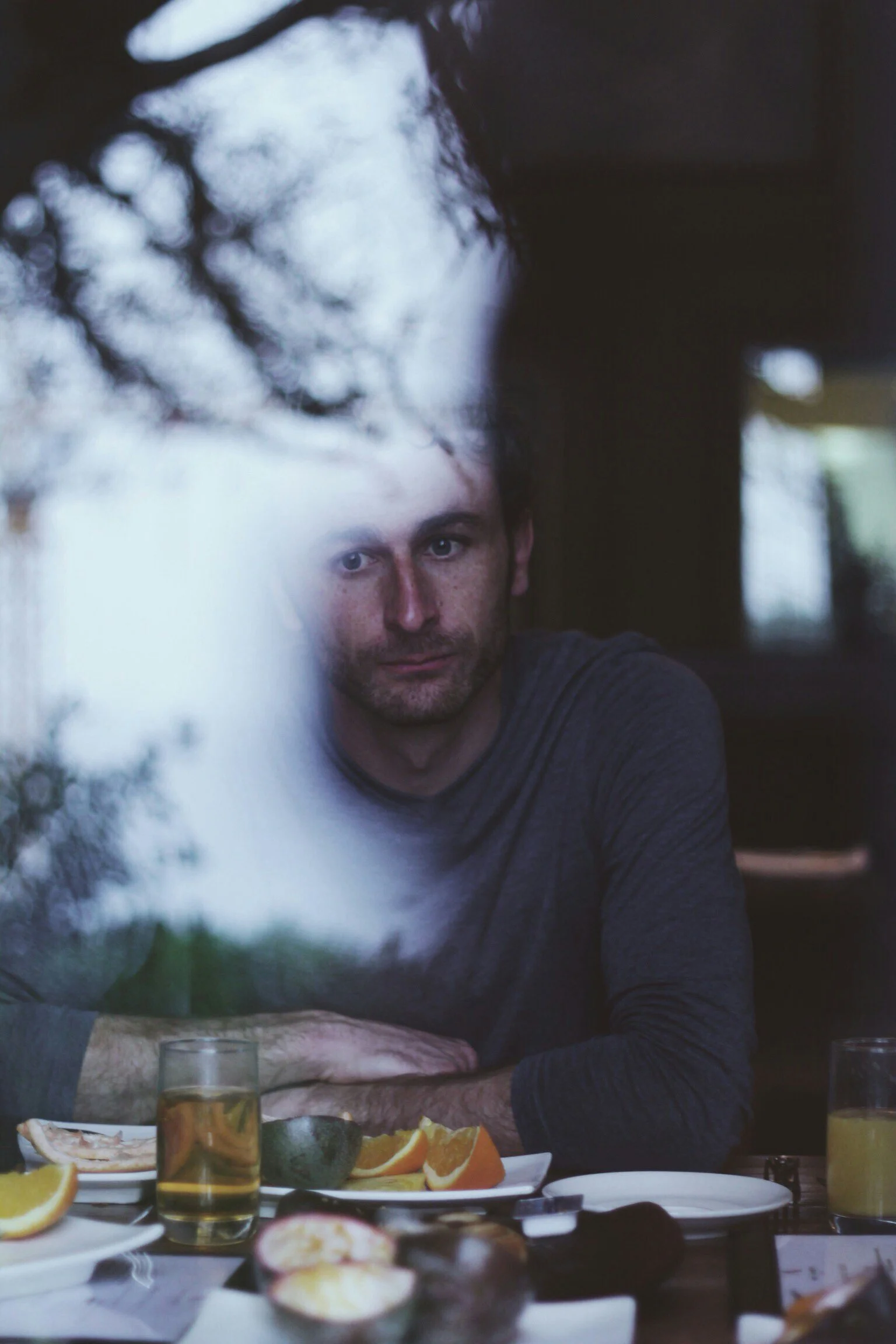

You wake up tired… even after eight hours of sleep. The thought of Monday makes your stomach drop. Everything feels heavier than it should.
If that sounds familiar, you might not just be tired — you might be experiencing burnout.
And let’s be clear from the get-go, burnout isn’t laziness or weakness. It’s a well‑researched psychological and physiological response to chronic, unmanaged stress. And learning to recognise the signs early can make a meaningful difference to your wellbeing.
In this article, we’ll explore:
What burnout actually is (and what it isn’t)
Six evidence‑based signs of burnout that often go unnoticed
Practical, research‑informed steps that can support recovery
What Burnout Actually Is
Burnout isn’t just being overworked or needing more sleep.
The World Health Organization describes burnout as a syndrome resulting from chronic workplace stress that has not been successfully managed. It is characterised by:
Emotional exhaustion
A sense of mental distance, cynicism, or emotional numbing (often called depersonalisation)
Reduced feelings of effectiveness or accomplishment
Psychologist Christina Maslach, one of the leading researchers in this field, has spent decades studying how prolonged stress impacts both mental and physical functioning.
Research shows that long‑term stress can:
Disrupt normal cortisol rhythms
Reduce motivation and reward processing in the brain
Temporarily impair areas involved in emotional regulation and clear thinking
This helps explain why a weekend off or even a holiday may not fully resolve burnout. Sleep can provide short‑term relief, but burnout reflects a deeper depletion of your system’s capacity to cope.
A helpful way to think about it is this:
Tiredness usually improves with rest
Burnout often does not
That’s why early recognition matters.
Occupational Burnout Those in Helping Professions
Occupational burnout strikes helping professions—such as psychologists, therapists, nurses, physicians, teachers, and clergy—disproportionately hard due to chronic emotional demands, high empathy loads, and blurred boundaries between work and personal calling.
Studies show prevalence rates of 20-50% among healthcare workers like doctors and nurses, often exceeding other fields, driven by excessive workloads, patient suffering exposure, role ambiguity, and insufficient peer support amid events like the COVID-19 pandemic (Batanda et al., 2024).
In caring roles, burnout manifests as emotional exhaustion (up to 30% higher in physicians/nurses), cynicism toward clients, and reduced efficacy, leading to errors, absenteeism, turnover, and compromised patient safety—yet co-worker support buffers risks by 20-25% across groups (Izdebski et al., 2023).
For faith-based practitioners like those in ministry or Christian counseling, value conflicts and perfectionism amplify depletion, underscoring the need for tailored interventions like supervision, rest sabbaths, and systemic workload reductions.
While the WHO's ICD-11 definition keeps it strictly occupational—explicitly stating it "should not be applied to describe experiences in other areas of life"—the concept has broadened culturally and in research to analogous "burnout-like" states in parenting, caregiving, athletics, or volunteering, where similar chronic stress patterns (exhaustion, cynicism, inefficacy) emerge without a paycheck.
Six Quiet Symptoms of Burnout
Burnout doesn’t always announce itself dramatically. More often, it shows up quietly and gradually. Here are six signs supported by research.
1. Exhaustion That Rest Doesn’t Touch
This goes beyond ordinary fatigue. People often describe it as a heaviness or depletion that sits deep in the body.
You may:
Wake up already exhausted
Feel that everyday tasks require disproportionate effort
Notice that rest no longer feels restorative
Researchers often refer to this as chronic depletion, where the stress response remains activated for too long.
2. Emotional Numbness or Cynicism
Burnout can dull emotional responsiveness. Instead of feeling engaged or connected, you may feel flat, detached, or unusually cynical.
This is what Maslach described as depersonalisation — a protective response when emotional resources are stretched too thin.
Thoughts such as “What’s the point?” or “I just don’t have it in me anymore” are common. This isn’t a personality change; it’s often exhaustion expressing itself emotionally.
3. A Reduced Sense of Accomplishment
Even when you’re still functioning or achieving, burnout can distort how you perceive your own performance.
You might:
Complete tasks without any sense of satisfaction
Feel persistently inadequate or guilty
Question your competence despite objective evidence
Research shows burnout can significantly affect self‑evaluation, particularly in people who are conscientious or high‑achieving.
4. Persistent Brain Fog
Chronic stress affects cognitive functioning. Elevated stress hormones can temporarily reduce activity in the prefrontal cortex, which plays a key role in focus, memory, and planning.
You may notice:
Difficulty concentrating
Forgetfulness
Rereading information without absorbing it
This isn’t laziness or lack of motivation — it’s a biological stress response.
5. Unexplained Physical Symptoms
Burnout doesn’t only affect the mind. It often shows up physically.
Common experiences include:
Headaches or muscle tension
Digestive changes
Sleep disruption
Increased heart rate or general bodily tension
Prolonged stress can influence immune function, inflammation, digestion, and sleep‑wake cycles. Persistent physical symptoms are an important signal worth listening to.
6. Withdrawal and Loss of Social Energy
When burnout sets in, social interaction can start to feel draining rather than nourishing.
You may:
Cancel plans more often
Avoid calls or messages
Feel disconnected even from people you care about
Research suggests burnout can temporarily reduce activation in brain areas associated with empathy and connection. This doesn’t mean you’ve stopped caring — it often means your system needs recovery.
What Can Help If You Recognise These Signs
The good news is that burnout is not permanent. Research consistently shows recovery is possible, particularly when it’s addressed early and with compassion.
Below are evidence‑informed steps that may support recovery.
1. Name What’s Happening
Simply identifying burnout can be deeply regulating.
Studies show that labelling emotional experiences helps reduce stress‑related brain activation. It can shift the internal narrative from self‑blame to understanding.
A helpful reframe might be:
“This isn’t failure — my body and mind are signalling the need for change.”
2. Address the Root Causes Where Possible
Research from organisations such as the American Psychological Association highlights the importance of examining workload, role clarity, values alignment, and workplace culture.
If demands consistently exceed your available resources, burnout is more likely to take hold.
For some people, recovery may involve planning a transition out of a harmful or misaligned environment. This isn’t always immediately possible, and it’s not a decision to take lightly. Even beginning to plan — building financial buffers, exploring alternative roles, or seeking career guidance — can restore a sense of agency and reduce feelings of helplessness.
3. Strengthen Boundaries When You Can’t Leave
When change isn’t immediately possible, boundaries become essential.
Research and clinical experience both show that burnout thrives where boundaries are consistently eroded.
Supportive strategies may include:
Declining non‑essential commitments
Scheduling protected breaks
Reducing after‑hours digital access - In Australia we now have the "right to disconnect" law, enacted via Fair Work Legislation
Delegating or asking for support
Boundaries are not selfish. They are a protective factor for long‑term wellbeing.
4. Prioritise Rest That Actually Restores
Rest is multidimensional. Sleep matters, but it isn’t the only form of recovery.
Different types of rest include:
Mental rest: reducing cognitive load and screen time
Creative rest: engaging in low‑pressure creative activities (e.g. drawing)
Social rest: spending time with people who feel safe and restorative
Emotional or spiritual rest: journalling, prayer, reflection, or therapy
Small, consistent pauses can support nervous system recovery over time.
5. Seek Support
Strong evidence shows that social and professional support are among the most protective factors against burnout.
Support might involve:
Speaking with your GP
Working with a psychologist
Accessing coaching or workplace support
Reconnecting with trusted community or faith‑based supports
You don’t have to carry this alone.

Can You Prevent Burnout if You Catch It Early?
Catching burnout symptoms early—such as persistent fatigue, cynicism, or reduced productivity—greatly improves your chances of preventing full-blown job burnout. Proactive steps can stop its progression and restore wellbeing faster than late interventions.
Key actions include reducing excessive workloads, setting firm boundaries, and asking supervisors for clearer roles and greater autonomy. Building personal resilience through mindfulness, regular exercise, and peer support also helps address mismatches in the work environment.
Research shows that combining individual coping strategies with organizational changes—like better recognition and improved conflict resolution—effectively reduces exhaustion, especially in demanding fields such as healthcare, psychology, and ministry. Early warning signs can become opportunities for sustainable renewal.
Self-Care Support Options
If this article resonates with you, support is available if you feel it’s right for you.
Ruah Psychology & Wellness offers online, evidence‑based psychological care, with clinicians experienced in working respectfully within Christian faith contexts where this is relevant to your goals.
You deserve care, rest, and support — and understanding burnout is a powerful step toward feeling like yourself again.
References
Izdebski, Z., Kozakiewicz, A., Białorudzki, M., Dec-Pietrowska, J., & Mazur, J. (2023). Occupational Burnout in Healthcare Workers, Stress and Other Symptoms of Work Overload during the COVID-19 Pandemic in Poland. International journal of environmental research and public health, 20(3), 2428. https://doi.org/10.3390/ijerph20032428
Batanda, I. Prevalence of burnout among healthcare professionals: a survey at fort portal regional referral hospital. npj Mental Health Research 3, 16 (2024). https://doi.org/10.1038/s44184-024-00061-2
